Hoi An World Cultural Heritage Conservation Center

Matchmaking Customs through Folk Verses in Hội An
- 02/04/2026 10:19:00 PM
- Viewed: 680
- Feedback: 0
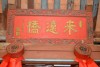
There is a five-character quatrain by the child prodigy poet Uông Thù of the Northern Song dynasty in China that speaks of four rare moments of happiness in a person’s life, and it is still often recited today:
35 Years of Research, Conservation, and Promotion of Archaeological Sites and Artefacts in Hội An
- 02/04/2026 09:36:00 PM
- Viewed: 777
- Feedback: 0
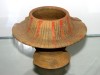
By 1985, at the time of the national seminar on the ancient town of Hội An, the region was known to scholars primarily as a prosperous medieval port city preserved relatively intact through its remarkable architectural heritage complex. Yet “underground Hội An”, or more specifically Hội An during the Prehistoric-Early Historic and Lâm Ấp-Champa periods, remained largely an open question.

The Influence of Confucianism on Traditional Domestic Architecture in Hội An
- 31/03/2026 05:25:00 AM
- Viewed: 1011
- Feedback: 0
Confucianism was introduced into Vietnam at a very early stage, endured for centuries, and left a profound imprint on many aspects of social life during the feudal period. Beyond its emphasis on the tradition of learning and its veneration of degree holders and scholarly achievement, Confucianism also shaped moral standards, promoted reverence for teachers, elevated the virtues of the gentleman-scholar, and prescribed patterns of conduct both within the family and in society at large.
Apricot Blossom During Tết and Folk Beliefs in Hội An
- 31/03/2026 04:37:00 AM
- Viewed: 843
- Feedback: 0
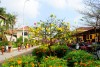
In Hội An, and perhaps throughout nearly the entire stretch of land from Quảng Trị southward, hoa mai (apricot blossom) is regarded as the symbol of spring. The flower is revered not only for its brilliant yellow bloom after a full year, 365 days “holding the gold of sun and moon,” but also because it is a flower that heralds the revival of all living things after the icy days of winter. Apricot blossom is also a symbol of a world overflowing with life, of resilience and firmness, and, with its sweet fragrance and beauty, it creates a powerful emotional impression and announces the arrival of spring.

Customs of Lineages in Hội An
- 31/03/2026 04:07:00 AM
- Viewed: 669
- Feedback: 0
The residential community of Hội An is formed by the coexistence of many lineages. The village administrative structure in Hội An has historically been relatively loose; in compensation, kinship relations developed strongly. This is reflected in the widespread practice of worshipping lineage groups at communal houses instead of a single village tutelary deity (Thành Hoàng). Each lineage maintains its own ancestral house and lineage-owned land.

Preserving and Promoting the Value of Documentary Heritage of Hội An Ancient Town
- 24/03/2026 05:11:00 AM
- Viewed: 743
- Feedback: 0
Documentary heritage constitutes an important component of the cultural heritage of humanity. The term “documentary heritage” has been used in the Memory of the World Programme initiated by UNESCO in 1992.

The Subtle Meanings of Spring in Hán-Nôm Couplets in Hội An
- 24/03/2026 05:01:00 AM
- Viewed: 727
- Feedback: 0
Parallel sentences (also known as couplets) are commonly used in celebratory occasions such as weddings, longevity celebrations, funerals, and festivals. Hán-Nôm couplets are often displayed in solemn spaces such as communal houses, temples, pagodas, shrines, and ancestral halls.
Some Events Related to Historical Monuments in Hội An During Horse Years
- 24/03/2026 04:41:00 AM
- Viewed: 729
- Feedback: 0
In traditional Vietnamese culture in particular, and East Asian culture more broadly, the horse is a sacred animal ranked seventh among the twelve zodiac animals corresponding to the twelve Earthly Branches (Tý, Sửu, Dần, Mão, Thìn, Tỵ, Ngọ, Mùi, Thân, Dậu, Tuất, Hợi). The horse symbolizes strength, power, endurance, loyalty, aspiration, and success.

The Worship of the White Horse Eunuch in Hội An
- 24/03/2026 04:29:00 AM
- Viewed: 714
- Feedback: 0
Among the deities commonly worshipped at many religious sites in the Hội An region, there is one known as Bạch Mã or Thái giám Bạch Mã, and in folk usage often called Ông Thái Giám (the Eunuch). This deity holds a high position and exerts significant influence in local folk belief as well as within the system of deification under Vietnam’s feudal dynasties. However, interviews with many elderly residents in Hội An reveal that almost no one clearly knows the background, origin myths, or reasons for worshipping this deity, resulting in various interpretations that differ from the original source.

The Traditional Beauty of the Year-End Offering Ceremony (Tất Niên)
- 24/03/2026 04:22:00 AM
- Viewed: 698
- Feedback: 0
In the memories of many people, the atmosphere of the traditional Lunar New Year in Hội An in the past would become lively from around the twentieth day of the twelfth lunar month, when throughout the streets, alleys, and villages, firecrackers were set off continuously during year-end offering ceremonies.

Guidelines for “Erecting the New Year Pole (Cây Nêu)” – Lunar New Year Bính Ngọ 2026
- 24/03/2026 03:53:00 AM
- Viewed: 792
- Feedback: 0
Erecting the New Year pole (Cây Nêu) is a traditional custom of the Vietnamese people in general, and of Hội An residents in particular, during the Lunar New Year. Since ancient times, in preparation for Tết, people would shop, make traditional cakes and sweets, clean and decorate their homes, and erect a bamboo pole in front of the house yard or communal spaces.

The Sentiment of Welcoming Spring and Gratitude to the Party
- 01/02/2026 02:40:00 AM
- Viewed: 671
- Feedback: 0
Lunar New Year – Bính Ngọ 2026 is approaching. At this moment, people across the country and millions of Vietnamese living around the world share a common sentiment of returning to their roots, expressing reverence and gratitude to their ancestors, and holding a steadfast love for the sacred homeland. Welcoming the Spring of the nation is also an occasion to celebrate the 96th anniversaryx of the founding of the glorious Communist Party of Vietnam.
Events related to Hội An in Horse years through historical records
- 24/03/2026 03:31:00 AM
- Viewed: 722
- Feedback: 0
With its historical and cultural-geographical position, Hội An emerged early as a center of trade and exchange with countries in the region and beyond. During the Lâm Ấp – Champa period, Hội An was already a trading port frequented by foreign merchant ships. Several historical works recorded valuable information about Hội An, including the Jin Shu (History of the Jin), Tang Shu (History of the Tang), and a number of early Arabic texts.

Spatial and socio-economic organization of village communities in Hội An in the early 19th century through Nguyễn dynasty cadastral records
- 24/03/2026 03:21:00 AM
- Viewed: 741
- Feedback: 0
Within the territorial management system of the Vietnamese monarchic state, cadastral records (địa bạ) functioned as official documents used to establish administrative boundaries, define land ownership structures, and organize social life at the village level. Beyond serving fiscal and population management purposes, these records also comprehensively reflect the relationships between people and land, as well as between the state and local communities.

Preserving and Promoting the Values of the National Intangible Cultural Heritage: the Nguyên Tiêu Festival in Hội An Ancient Town
- 24/03/2026 03:15:00 AM
- Viewed: 942
- Feedback: 0
The Nguyên Tiêu Festival, also known as the First Full Moon Festival (Thượng Nguyên), is a long-standing traditional cultural and religious practice that reflects the rich spiritual life of the residents of Hội An Ancient Town. Held on the fifteenth day of the first lunar month, it marks the first full moon of the new year.

Three-Bay House with a Projecting Front Room – A House of Memory and Nostalgia
- 24/03/2026 12:09:00 AM
- Viewed: 954
- Feedback: 0
A house is not merely a structure that shelters people from sun and rain; it is a symbol of home, a place of kinship, safety, and belonging. It preserves memories and connects family members, carrying profound spiritual value.

Key Priorities in the Conservation and Promotion of the Cultural Heritage Values of Hội An Ancient Town in 2026
- 23/03/2026 11:59:00 PM
- Viewed: 1675
- Feedback: 0

Trade Routes of Forest and Mountain Products from the Highlands to the Port of Hội An
- 19/03/2026 03:45:00 AM
- Viewed: 808
- Feedback: 0
Quảng Nam is known as a land rich in natural resources, with terrain gradually descending from west to east, forming distinct ecological zones including high mountains, midlands, plains, coastal areas, and islands. This ecological diversity created favorable conditions for the historical exploitation, processing, and trade of forest products and aromatics, making such activities in Quảng Nam particularly vibrant.

The Ritual of Worshipping Water Wharves and Water Troughs at the Beginning of Spring in Quảng region
- 09/03/2026 09:38:00 PM
- Viewed: 801
- Feedback: 0
Like in many regions across the country, water wharves are essential elements associated with rivers and streams in the Quảng region, from mountainous areas to the lowlands.
Behavioral culture in modern families in Hoi An
- 09/01/2025 03:29:00 AM
- Viewed: 1614
- Feedback: 0
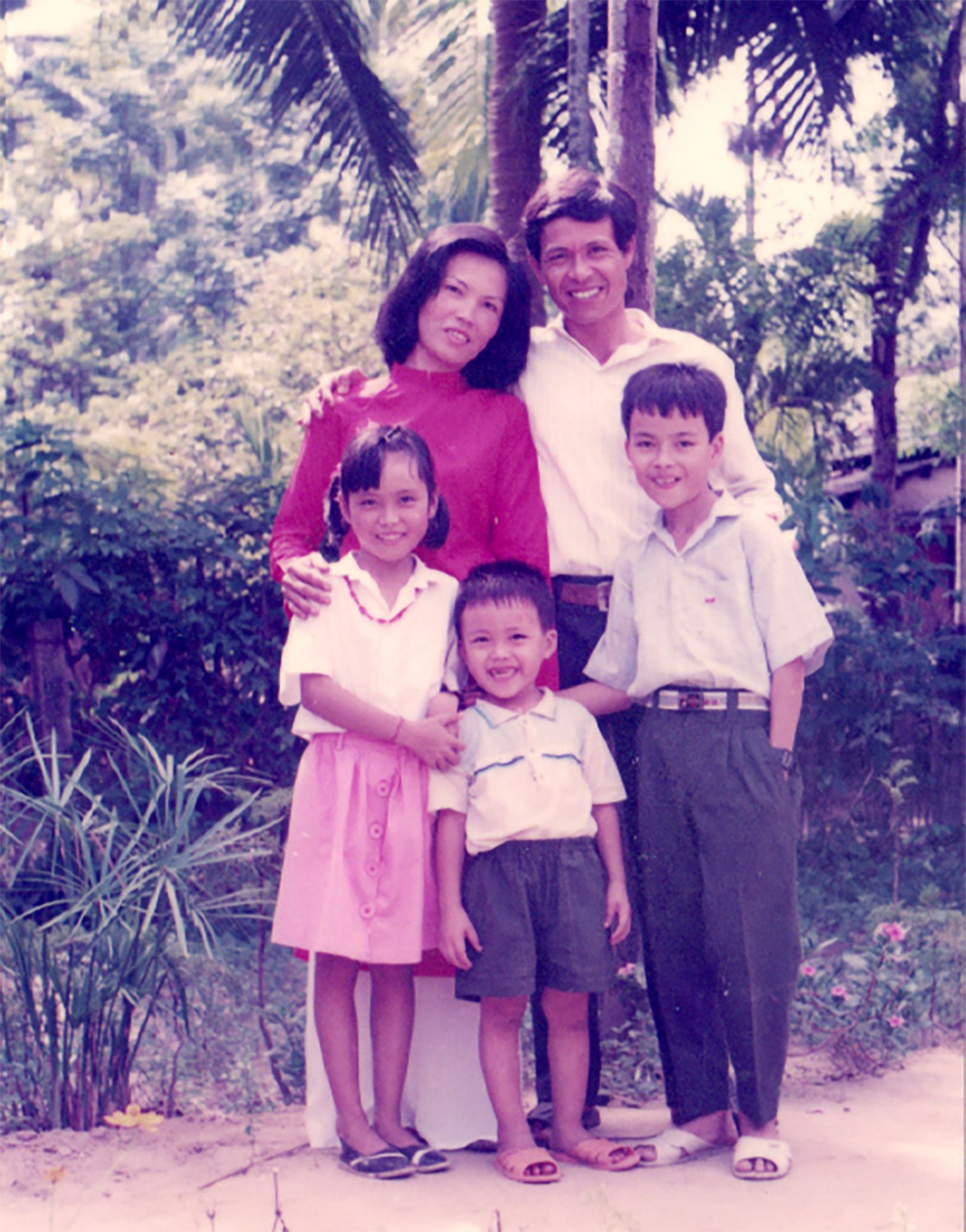
In recent decades, Vietnamese families in general, and in Quang Nam and Hoi An in particular, have undergone important changes, from traditional families to families with new, more modern and freer characteristics. The process of international integration, including cultural integration and exchange, has led to the emergence of more open views on marriage and family.