Hoi An World Cultural Heritage Conservation Center
Customs of Lineages in Hội An
The residential community of Hội An is formed by the coexistence of many lineages. The village administrative structure in Hội An has historically been relatively loose; in compensation, kinship relations developed strongly. This is reflected in the widespread practice of worshipping lineage groups at communal houses instead of a single village tutelary deity (Thành Hoàng). Each lineage maintains its own ancestral house and lineage-owned land.
As a newly reclaimed region where village structures were not yet firmly established, lineages initially held the right to privately occupy land. At the same time, due to socio-economic development and capital accumulation, some wealthy lineages purchased land from private owners or from the village to establish lineage property. As a result, communal land in Hội An remained limited in area, while private land and lineage-owned land expanded. From this reality, kinship-based cohesion developed strongly, and the role of lineages in social life was reinforced. This role is concentrated in the position of the lineage head, and many village affairs are handled through lineage structures.
Members of a lineage, even those holding high official positions, must still respect the lineage head when returning to their clan. The lineage head has the authority to reprimand and discipline members who commit wrongdoing. In such cases, the collective voice of the lineage, represented by the lineage head, is given particular weight. Life-cycle rituals, including rites of coming of age, marriage, funerals, and worship, typically require the approval of the lineage head or, in later periods, the lineage council. Expulsion from the lineage constitutes a severe psychological punishment. The role of patriarchal lineage organization, the existence of lineage-owned land, and associated customs reflect the enduring vitality of remnants of clan-based and rural communal organization at the local level. Each lineage maintains long-established customs that function as a strong spiritual bond.
“Việc Lề” (Lineage Ritual Observance)
Due to the strong development of lineages, alongside village and neighborhood affairs, Hội An residents also observe the custom known as “việc Lề.” Each year, in the third and eighth lunar months (spring and autumn rites), lineage members gather at the ancestral house to conduct rituals honoring their ancestors. Participants usually bring offerings. In large lineages, these ceremonies are organized on a grand scale, with ritual music, formal liturgical texts, and elaborate feasting. Smaller lineages conduct more modest ceremonies.
“Việc Lề” reflects an individual’s responsibility toward their lineage and expresses the local community’s emphasis on ancestry and blood ties. This practice in Hội An is likely a variation of the “vật lề” offering ritual, once widespread in southern Vietnam. When describing Vietnamese cultural practices in Rạch Giá–Cà Mau, Sơn Nam noted:
“... so that members of the same lineage could recognize one another (especially in cases of displacement, political exile, or name changes), people established the ‘vật lề’ ritual (also called ‘việc lề’), designating a specific day each year when each family would offer a distinctive item—such as snakehead fish, shrimp, or even crocodile—as a symbolic marker of lineage identity.”
In Trà Quế today, the dish tam hữu may once have been such a lineage offering. The Đặng lineage in Cẩm Nam still maintains a custom of offering dishes made from baby clams.
Grave Visiting (Chạp Mả)
In addition to “việc Lề,” lineages observe the custom of grave tending, also known as chạp mả, hộ mả, or giỗ mả. As the name suggests, this practice is associated with caring for the graves of the deceased. Local residents distinguish between two types of graves: lineage graves and spirit graves (mả âm linh). Spirit graves are unclaimed and are maintained by the village, with communal offerings made at shrines during the Qingming (Thanh Minh) festival. Lineage graves, by contrast, are maintained by each lineage.
Each year, every lineage designates a specific day, usually in the twelfth lunar month, to clean and repair the graves of deceased members. After tending the graves, a ritual offering is held at the ancestral house. On this day, both paternal and maternal descendants are expected to gather and participate. Responsibilities such as grave cleaning, ritual offerings, guest reception, and hosting are primarily borne by the paternal line, while maternal relatives attend and offer incense.
In essence, chạp mả is a cultural activity that reflects the community’s emphasis on kinship ties and the importance of lineage organization in local social life. Through this practice, family relationships are reinforced through annual reunions. It also serves as an occasion for individuals to understand their origins, recognize the contributions of their ancestors, and cultivate a sense of responsibility in preserving and enriching lineage traditions.
Lineage Branching
Due to population growth across generations, lineages often divide into branches to facilitate ritual organization. There are no strict rules governing this division; it typically depends on the development and size of the lineage. The main branch is referred to as the first branch, followed by second, third, fourth branches, and so on. The first branch is responsible for conducting rituals at the main ancestral house, while secondary branches establish their own ancestral houses.
Each branch assumes responsibility for maintaining a portion of the graves belonging to its line, typically those within three generations (great-grandparents, grandparents, parents), while older ancestral graves are maintained by the main branch. Despite this division, relationships among branches are maintained. During the main ancestral death anniversary, all branches participate, and reciprocally, the main branch contributes to ceremonies held by other branches. Important matters and major lineage events continue to be conducted collectively at the main ancestral house, ensuring ongoing cohesion among branches.
Genealogies and Lineage Identity
Each lineage maintains its own genealogy (phổ hệ), which is carefully preserved and often imbued with sacred significance. Normally, the genealogy is placed at the center of the ancestral altar in a red-lacquered rectangular box, oriented toward the east. When it is opened for consultation, incense must be lit to seek permission from the ancestors. In times of crisis, genealogies are often protected first, sometimes even prioritized over material property.
Regardless of size or wealth, lineages in Hội An coexist harmoniously. Members of different lineages are willing to unite in the face of external threats. This reflects the strong preservation of collective identity and communal solidarity among Hội An residents throughout history.
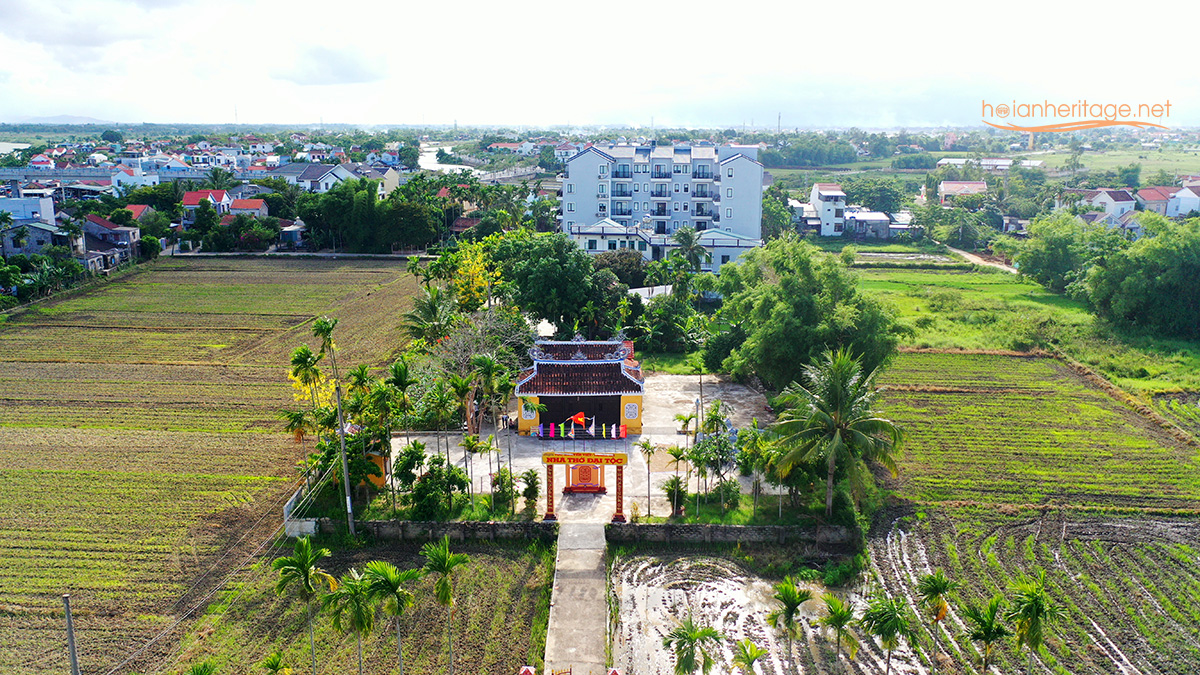
Nguyen Viet Family Chapel, Thanh Ha - Photo: Quang Ngoc
Members of a lineage, even those holding high official positions, must still respect the lineage head when returning to their clan. The lineage head has the authority to reprimand and discipline members who commit wrongdoing. In such cases, the collective voice of the lineage, represented by the lineage head, is given particular weight. Life-cycle rituals, including rites of coming of age, marriage, funerals, and worship, typically require the approval of the lineage head or, in later periods, the lineage council. Expulsion from the lineage constitutes a severe psychological punishment. The role of patriarchal lineage organization, the existence of lineage-owned land, and associated customs reflect the enduring vitality of remnants of clan-based and rural communal organization at the local level. Each lineage maintains long-established customs that function as a strong spiritual bond.
“Việc Lề” (Lineage Ritual Observance)
Due to the strong development of lineages, alongside village and neighborhood affairs, Hội An residents also observe the custom known as “việc Lề.” Each year, in the third and eighth lunar months (spring and autumn rites), lineage members gather at the ancestral house to conduct rituals honoring their ancestors. Participants usually bring offerings. In large lineages, these ceremonies are organized on a grand scale, with ritual music, formal liturgical texts, and elaborate feasting. Smaller lineages conduct more modest ceremonies.
“Việc Lề” reflects an individual’s responsibility toward their lineage and expresses the local community’s emphasis on ancestry and blood ties. This practice in Hội An is likely a variation of the “vật lề” offering ritual, once widespread in southern Vietnam. When describing Vietnamese cultural practices in Rạch Giá–Cà Mau, Sơn Nam noted:
“... so that members of the same lineage could recognize one another (especially in cases of displacement, political exile, or name changes), people established the ‘vật lề’ ritual (also called ‘việc lề’), designating a specific day each year when each family would offer a distinctive item—such as snakehead fish, shrimp, or even crocodile—as a symbolic marker of lineage identity.”
In Trà Quế today, the dish tam hữu may once have been such a lineage offering. The Đặng lineage in Cẩm Nam still maintains a custom of offering dishes made from baby clams.
Grave Visiting (Chạp Mả)
In addition to “việc Lề,” lineages observe the custom of grave tending, also known as chạp mả, hộ mả, or giỗ mả. As the name suggests, this practice is associated with caring for the graves of the deceased. Local residents distinguish between two types of graves: lineage graves and spirit graves (mả âm linh). Spirit graves are unclaimed and are maintained by the village, with communal offerings made at shrines during the Qingming (Thanh Minh) festival. Lineage graves, by contrast, are maintained by each lineage.
Each year, every lineage designates a specific day, usually in the twelfth lunar month, to clean and repair the graves of deceased members. After tending the graves, a ritual offering is held at the ancestral house. On this day, both paternal and maternal descendants are expected to gather and participate. Responsibilities such as grave cleaning, ritual offerings, guest reception, and hosting are primarily borne by the paternal line, while maternal relatives attend and offer incense.
In essence, chạp mả is a cultural activity that reflects the community’s emphasis on kinship ties and the importance of lineage organization in local social life. Through this practice, family relationships are reinforced through annual reunions. It also serves as an occasion for individuals to understand their origins, recognize the contributions of their ancestors, and cultivate a sense of responsibility in preserving and enriching lineage traditions.
Lineage Branching
Due to population growth across generations, lineages often divide into branches to facilitate ritual organization. There are no strict rules governing this division; it typically depends on the development and size of the lineage. The main branch is referred to as the first branch, followed by second, third, fourth branches, and so on. The first branch is responsible for conducting rituals at the main ancestral house, while secondary branches establish their own ancestral houses.
Each branch assumes responsibility for maintaining a portion of the graves belonging to its line, typically those within three generations (great-grandparents, grandparents, parents), while older ancestral graves are maintained by the main branch. Despite this division, relationships among branches are maintained. During the main ancestral death anniversary, all branches participate, and reciprocally, the main branch contributes to ceremonies held by other branches. Important matters and major lineage events continue to be conducted collectively at the main ancestral house, ensuring ongoing cohesion among branches.
Genealogies and Lineage Identity
Each lineage maintains its own genealogy (phổ hệ), which is carefully preserved and often imbued with sacred significance. Normally, the genealogy is placed at the center of the ancestral altar in a red-lacquered rectangular box, oriented toward the east. When it is opened for consultation, incense must be lit to seek permission from the ancestors. In times of crisis, genealogies are often protected first, sometimes even prioritized over material property.
Regardless of size or wealth, lineages in Hội An coexist harmoniously. Members of different lineages are willing to unite in the face of external threats. This reflects the strong preservation of collective identity and communal solidarity among Hội An residents throughout history.
Author: Trần Văn An
Source: Hoi An Center for the Conservation of World Cultural Heritage
Newer articles
Older articles