Hoi An World Cultural Heritage Conservation Center
Creativity for Preservation and Development Based on Local Cultural Heritage Resources
At the end of 2023, Hội An received the good news of officially joining the UNESCO Creative Cities Network. Hội An became the 247th member, recognized in the field of Crafts and Folk Art. This network seeks to foster international cooperation among globally recognized cities by placing cultural resources and cultural creativity at the center of sustainable urban development. This is a major opportunity for the city to strongly activate its cultural and traditional potential as a resource for sustainable development, generating distinctive values for the future and further strengthening Hội An’s appeal in exchange and development.
This substantial potential can be seen in the local system of traditional handicrafts and distinctive forms of folk performing arts that have existed for generations. Shaped by the specific conditions of settlement, population origins, and various historical and social factors, Hội An’s traditional occupations developed adaptively from an agricultural base. They are highly diverse and closely intertwined with the historical development of Hội An as a trading port urban center. Alongside this, Hội An has preserved a rich and distinctive body of folk artistic and performance heritage, including artistic practices embedded in everyday labor and leisure, as well as performances for festivals, beliefs and rituals, and stage arts. All of these forms are meaningful, aesthetically rich, educational, lively, and engaging. However, major opportunities always come with major challenges. We are now faced with the difficult task of orienting the management and promotion of handicrafts and folk arts in ways that both preserve traditional values and remain adaptive, dynamic, and creative, opening up broader opportunities for exchange and sustainable development without eroding local identity.
At present, Kim Bồng carpentry, Thanh Châu swiftlet nest harvesting, Thanh Hà pottery, and Trà Quế vegetable cultivation have all been inscribed on the National Intangible Cultural Heritage List. The city has also compiled dossiers and submitted them to the province for consideration by the Ministry of Culture, Sports and Tourism for national recognition of Cẩm Thanh nipa-palm bamboo house building and Cù Lao Chàm Indian coral tree hammock weaving as intangible cultural heritage. In addition to these concentrated craft villages, Hội An also has many dispersed traditional craft practices embedded throughout residential areas, such as rattan and bamboo weaving, fish sauce making, lion head making, and celestial dog head making. All of these require clearly planned priority mechanisms, development orientations, and organizational models suited to the dual goals of preservation and development, in order to maximize benefits for the community and ensure the sustainable use of these heritage values.
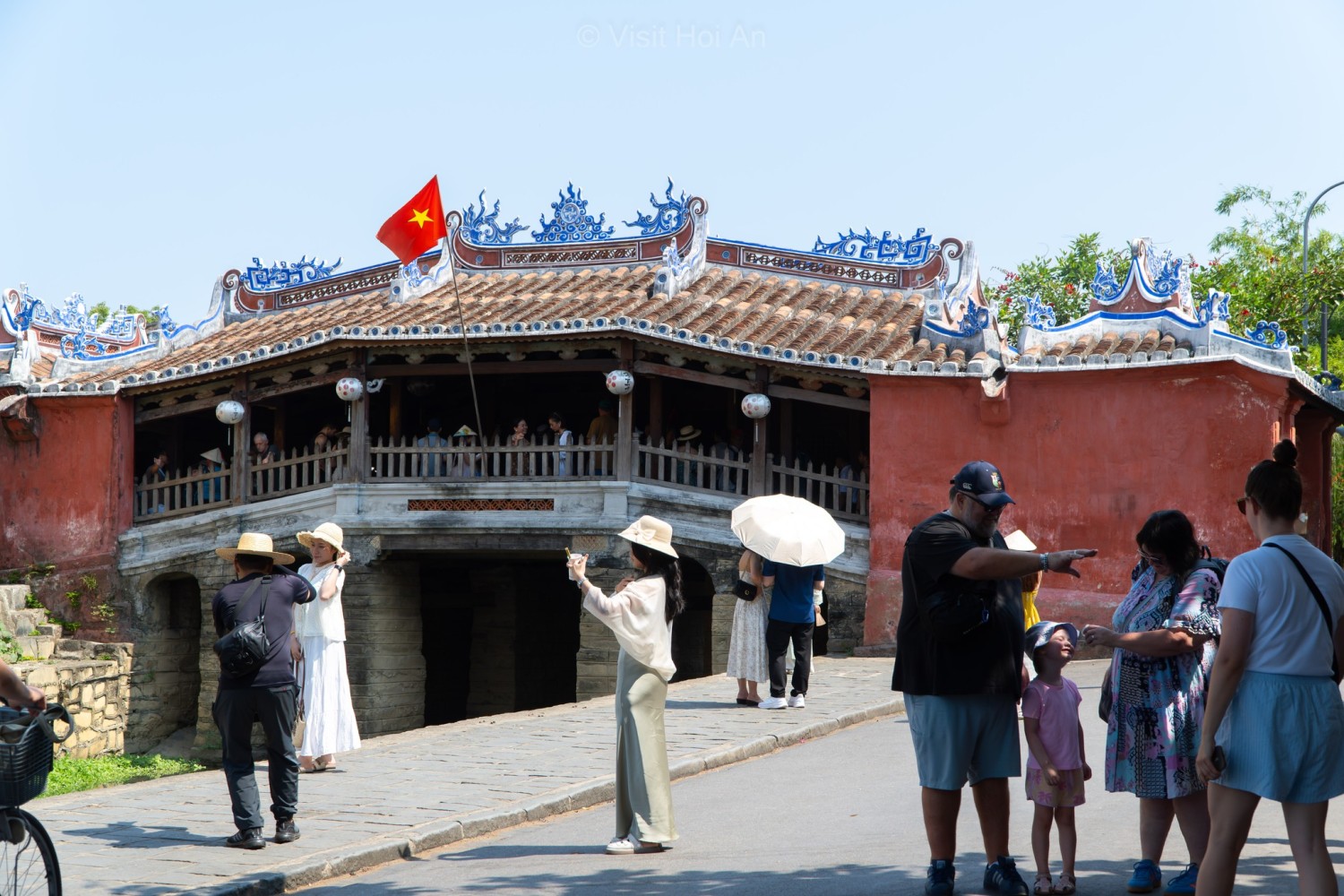 PpPhPhoto: Hoi An Center for the Conservation of World Cultural Heritage
At present, the folk performance form most widely known is Bài chòi. Other folk art forms have not yet truly regained vitality among local residents and visitors. In reality, Bài chòi itself once experienced a period of decline, but has now been strongly revived in the public sphere, becoming an intangible cultural heritage representative of humanity and a distinctive cultural attraction for visitors to Hội An Ancient Town each night. Other forms of folk performance and artistic practice, which are currently at risk of fading or being overshadowed in contemporary life, urgently require investment and well-directed safeguarding and promotion measures if they are to achieve similar success. We believe that a clear plan and roadmap for fulfilling the commitments associated with membership should have been mapped out from the very first months of 2024, serving as a foundation and launching point for strategic planning, investment, activation, and creativity. Several areas deserve particular attention:
Research and Identification
- Continue researching and collecting documentation related to folk arts and traditional handicrafts across Hội An City.
- Support documentation and collection efforts by organizations and individuals to preserve and revive endangered folk art forms and traditional crafts.
- Support and encourage artisans and researchers to invest in scholarly works and in the printing and publication of books introducing and promoting the locality’s distinctive traditional crafts and folk arts.
Mechanisms to Encourage Apprenticeship, Performance, and Recognition of Artisans with Significant Contributions to Heritage Safeguarding and Promotion
Preserving knowledge within craft villages is fundamental to sustainable conservation. For this reason, preservation efforts should prioritize the encouragement of intergenerational transmission, creating favorable mechanisms for apprenticeship and for passing on not only skills but also affection and attachment to heritage.
The city should invest in and broaden the groups eligible to receive training, while also increasing opportunities for practice, performance, demonstration of craftsmanship, cultural exchange, and folk art presentation within the community.
Through the Heritage in Schools educational materials for primary education, students in Hội An are currently introduced to several valuable forms of the Ancient Town residents’ intangible cultural heritage, including folk performance traditions such as thiên cẩu dance, hò bả trạo, and Bài chòi folk singing, as well as representative traditional crafts. However, for students to truly understand and develop a lasting emotional connection to these folk performance forms and the excellence of their hometown’s traditional crafts, they need more opportunities for direct contact, site visits, hands-on experience, and practical performance. Community cultural and artistic activities, summer programs, and other cultural platforms across the city all provide strong environments that should be actively encouraged and implemented.
The city should allocate funding to support the revival of intangible cultural heritage in both traditional crafts and folk arts that are already endangered or at risk of disappearance. Priority should first be given to investing in practical training courses. In reality, these apprenticeship activities also hold tourism promotion potential and can be combined in ways that generate income for artisans and local working communities. Over the long term, public and community participation can be mobilized on a voluntary and self-motivated basis to help sustain and protect heritage together. At the same time, attention must also be paid to environmental change and to mitigating the environmental impacts of certain craft sectors, such as pottery, ornamental kumquat cultivation, and seafood harvesting and processing.
It is also essential, and inherently sustainable, to create increasing opportunities for visitors to learn about and explore local knowledge, history, craft skills, raw material sourcing, and the traditional culture of the local community. Only then can tourism in the city truly become an engaging process of cultural exchange and interaction.
The city should invest in and broaden the groups eligible to receive training, while also increasing opportunities for practice, performance, demonstration of craftsmanship, cultural exchange, and folk art presentation within the community.
Through the Heritage in Schools educational materials for primary education, students in Hội An are currently introduced to several valuable forms of the Ancient Town residents’ intangible cultural heritage, including folk performance traditions such as thiên cẩu dance, hò bả trạo, and Bài chòi folk singing, as well as representative traditional crafts. However, for students to truly understand and develop a lasting emotional connection to these folk performance forms and the excellence of their hometown’s traditional crafts, they need more opportunities for direct contact, site visits, hands-on experience, and practical performance. Community cultural and artistic activities, summer programs, and other cultural platforms across the city all provide strong environments that should be actively encouraged and implemented.
The city should allocate funding to support the revival of intangible cultural heritage in both traditional crafts and folk arts that are already endangered or at risk of disappearance. Priority should first be given to investing in practical training courses. In reality, these apprenticeship activities also hold tourism promotion potential and can be combined in ways that generate income for artisans and local working communities. Over the long term, public and community participation can be mobilized on a voluntary and self-motivated basis to help sustain and protect heritage together. At the same time, attention must also be paid to environmental change and to mitigating the environmental impacts of certain craft sectors, such as pottery, ornamental kumquat cultivation, and seafood harvesting and processing.
It is also essential, and inherently sustainable, to create increasing opportunities for visitors to learn about and explore local knowledge, history, craft skills, raw material sourcing, and the traditional culture of the local community. Only then can tourism in the city truly become an engaging process of cultural exchange and interaction.
Mechanisms to Encourage Creative Activities
- Create favorable conditions and provide support for artisans and craft production establishments to participate in camps, fairs, and exchange events, where they can learn from others, enhance their craft excellence, strengthen product promotion capacity, and engage with new trends in services and tourism. At the same time, attention should be given to local brand building and brand protection.
- To elevate the activation and creative renewal of local culture under new conditions, it is not enough only to preserve the lifestyle of local residents. It is also necessary to establish priority mechanisms for infrastructure investment and for attracting high-quality human resources.
As a new-type creative city, the first priority should be to build a good living environment for the local community. This means paying attention to community interests down to the smallest issues, such as public amenities, landscape, environmental quality, air quality, and connective public spaces. Investment in new infrastructure is also essential. If Hội An can become a truly creative city with appealing conditions for everyday living and meaningful experiences, it will attract high-quality human resources. Such individuals are often deeply humanistic and can contribute to the making of a happy city. The city should therefore establish preferential mechanisms and policy incentives so that they can confidently commit to living and working in Hội An over the long term. This also includes attracting investment capital and creative human resources from artistic sectors such as music, painting, and performance. The local cultural capital of the city’s residents will serve as both inspiration and creative material, helping to activate heritage values within contemporary cultural life.
In the field of cultural heritage management, the Provincial Party Committee has issued Resolution No. 31 on building Hội An according to the orientation of an “Ecology - Culture - Tourism” city. More recently, the City People’s Committee submitted to the Provincial People’s Committee the Project on the Preservation and Promotion of the Value of the Hội An Ancient Town World Cultural Heritage Site to 2030, with a vision to 2035, which has received feedback from relevant departments and sectors and has been agreed upon by the Provincial Standing Committee for early submission to the Government. This project includes numerous proposed mechanisms and solutions for the preservation and promotion of heritage in general, and of traditional crafts and folk arts in particular, under new development conditions. These constitute important legal and resource foundations for the city to fulfill its commitments to UNESCO as a member of the global network of creative cities.
Promotion and creativity should be harnessed to increase value and benefits for the local community. At the same time, it is always necessary to remain clear-minded and not cross the fragile boundary between preservation and creativity. What is most important, perhaps, is to awaken a deep awareness of what already exists and what is inherently present, so that the city can be firmly prepared for a new and inspiring spirit of integration and creativity.
In the field of cultural heritage management, the Provincial Party Committee has issued Resolution No. 31 on building Hội An according to the orientation of an “Ecology - Culture - Tourism” city. More recently, the City People’s Committee submitted to the Provincial People’s Committee the Project on the Preservation and Promotion of the Value of the Hội An Ancient Town World Cultural Heritage Site to 2030, with a vision to 2035, which has received feedback from relevant departments and sectors and has been agreed upon by the Provincial Standing Committee for early submission to the Government. This project includes numerous proposed mechanisms and solutions for the preservation and promotion of heritage in general, and of traditional crafts and folk arts in particular, under new development conditions. These constitute important legal and resource foundations for the city to fulfill its commitments to UNESCO as a member of the global network of creative cities.
Promotion and creativity should be harnessed to increase value and benefits for the local community. At the same time, it is always necessary to remain clear-minded and not cross the fragile boundary between preservation and creativity. What is most important, perhaps, is to awaken a deep awareness of what already exists and what is inherently present, so that the city can be firmly prepared for a new and inspiring spirit of integration and creativity.
Author: Phạm Phú Ngọc - Thái Thị Liễu Chi
Source: Hoi An Center for the Conservation of World Cultural Heritage
Newer articles
Older articles