Hoi An World Cultural Heritage Conservation Center

Information on the restoration results of the Japanese Covered Bridge , Hoi An
- 09/01/2025 03:19:00 AM
- Viewed: 5678
- Feedback: 0
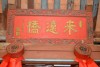
The year 2024 marks the 20th Hoi An - Japan Cultural Exchange event. During this event, Hoi An city held the inauguration ceremony of the restoration project of the Japanese Covered Bridge - Japanese Bridge - Lai Vien Kieu - a work of typical historical, cultural, architectural and artistic value and international exchange in the commercial port city of Hoi An.
35 years of research, conservation and promotion of archaeological relics and artifacts in Hoi An
- 09/01/2025 03:02:00 AM
- Viewed: 2645
- Feedback: 0
By 1985, at the time of the National Conference on Hoi An Ancient Town, the land of Hoi An was only known to researchers as a bustling medieval commercial port city that was preserved quite intact with a unique complex of architectural relics, while Hoi An underground, or more specifically Hoi An in the Prehistoric - Early Historical period, Lam Ap - Champa, was still a question mark.

Mooncakes in Hoi An
- 09/01/2025 02:57:00 AM
- Viewed: 1977
- Feedback: 0
Mid-Autumn Festival is one of the important traditional festivals of the Vietnamese people on the full moon day of the 8th lunar month. For the Hoi An community, after Tet Nguyen Dan, Tet Doan Ngo, Tet Trung Thu is the biggest festival of the year.

Promoting the value of revolutionary historical relics in Hoi An
- 09/01/2025 02:47:00 AM
- Viewed: 1553
- Feedback: 0
Since the French colonialists, followed by the American imperialists, launched a war of aggression against our country, the army and people of Hoi An have promoted the tradition of patriotism, united with the spirit of the nation, and stood up to fight the revolution under the leadership of the Party until the day of liberation of the homeland and unification of the country.

Promoting resources to build and develop Hoi An into a City of ecology, culture, and tourism
- 01/01/2025 10:45:00 PM
- Viewed: 2482
- Feedback: 0
The historical process of formation and development of Hoi An Urban - Commercial Port has had a decisive significance in the appearance of a cultural heritage that is quite diverse, rich and has a strong identity. At the same time, on this land of gentle humanity, an intangible cultural heritage has also been preserved that has become a tradition - that is the spirit of community cohesion in the countryside as well as the city. Hoi An also has a natural environment that has not been much affected by the urbanization process and other human activities. In particular, Cu Lao Cham not only affirms its superiority in ecological environment but is also a typical example of the connection between World Cultural Heritage and the World Biosphere.

Looking back at the process of preserving the heritage of Hoi An ancient town since the 80s of the last century and suggesting some priorities for the coming time
- 31/12/2024 04:45:00 AM
- Viewed: 3724
- Feedback: 0
Lord Nguyen Phuc Chu and Hoi An
- 12/05/2022 09:10:00 PM
- Viewed: 2773
- Feedback: 0
Lord Nguyen Phuc Chu (1675 - 1725) was the 6th lord of the nine Nguyen lords. He was the eldest son of Lord Nghia Nguyen Phuc Tran.
Fine art decoration of the Family Chapels in Hoi An Ancient Town
- 24/08/2021 12:01:00 AM
- Viewed: 2098
- Feedback: 0
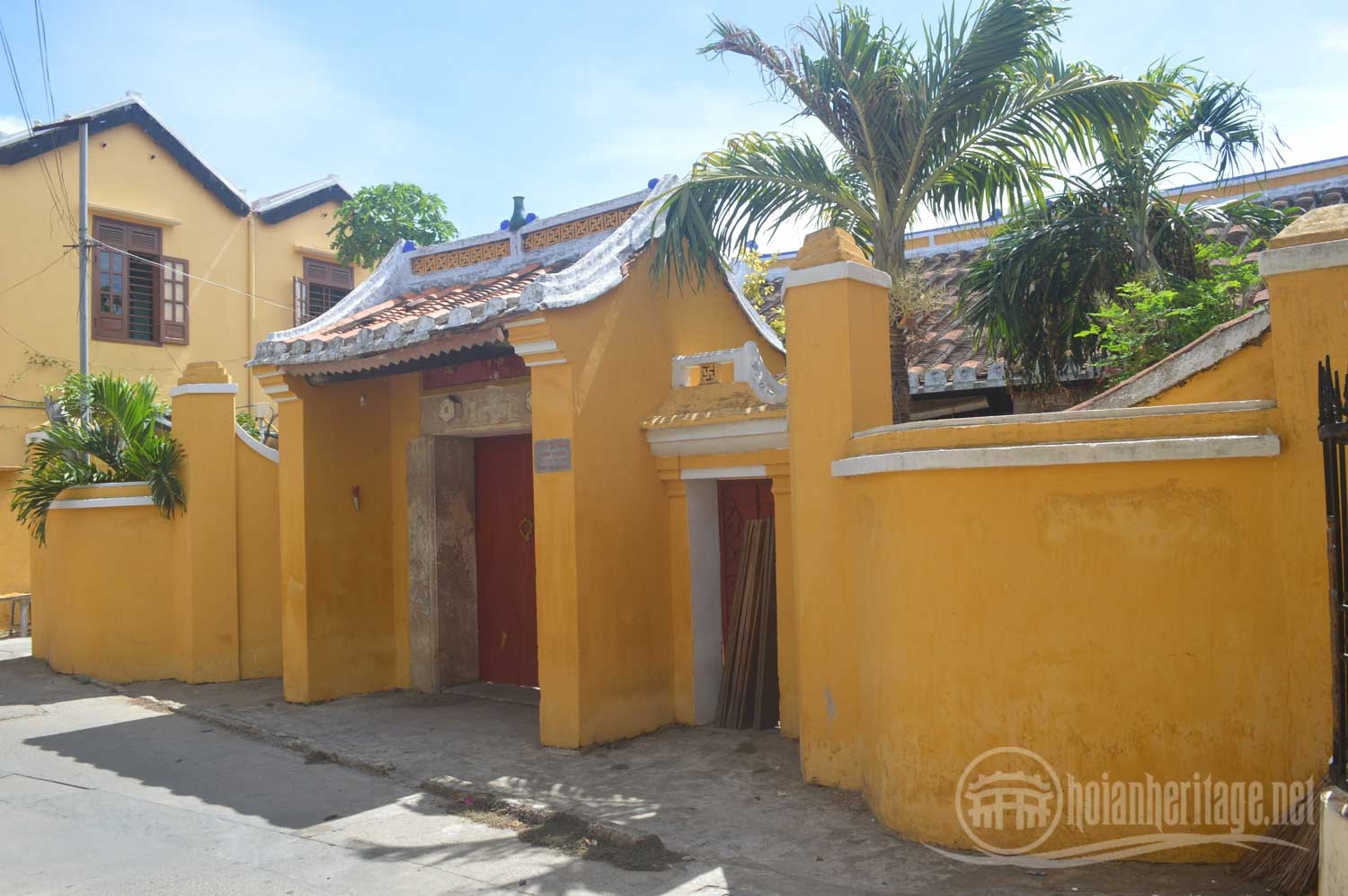
The decoration of architecture, interior and exterior of family chapels in Hoi An Ancient Town has many themes of nature and daily life with patterns and motifs such as flowers and leaves, birds, dragons, carp, four symbols (Azure Dragon, Vermilion Bird, White Tiger, Black Tortoise).

Folk knowledge about island cuisine in Hoi An
- 22/08/2021 11:56:00 PM
- Viewed: 2171
- Feedback: 0
The types of cuisine originating from mountainous areas, midlands, river deltas, through the process of living with the sea, people in Hoi An have formed knowledge and traditions of cuisine associated with the sea and islands.
The relationship between Vietnam and Japan and the foundation of Japanese Covered Bridge
- 22/08/2021 11:47:00 PM
- Viewed: 6551
- Feedback: 0
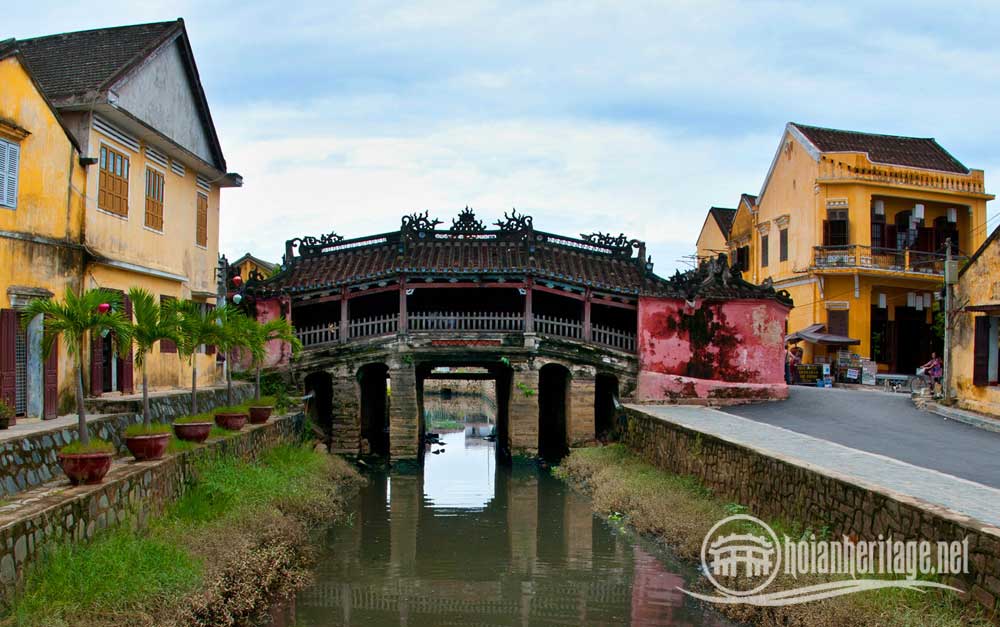
In the 16th and 17th centuries, under the Lords Nguyen, Hoi An became a thriving international trading port. There were many merchants of Japan, China, Portugal, Britain, France... In which, the presence of Japanese merchants plays an important role in trading activities of Japanese in Hoi An.
Hoi An - Amaravati through archeological documents
- 22/08/2021 11:26:00 PM
- Viewed: 2411
- Feedback: 0
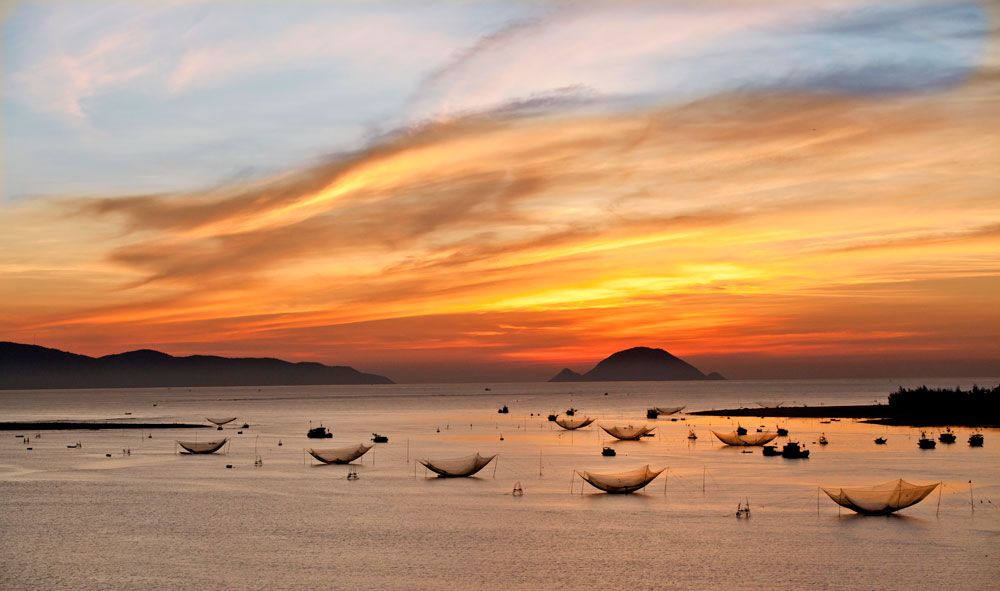
Hoi An is known as the most prosperous trading port under the Nguyen Lords in Cochinchina in seventeenth and eighteenth centuries.
Japanese Covered Bridge in Hoi An - Renovations
- 22/08/2021 11:11:00 PM
- Viewed: 3545
- Feedback: 0
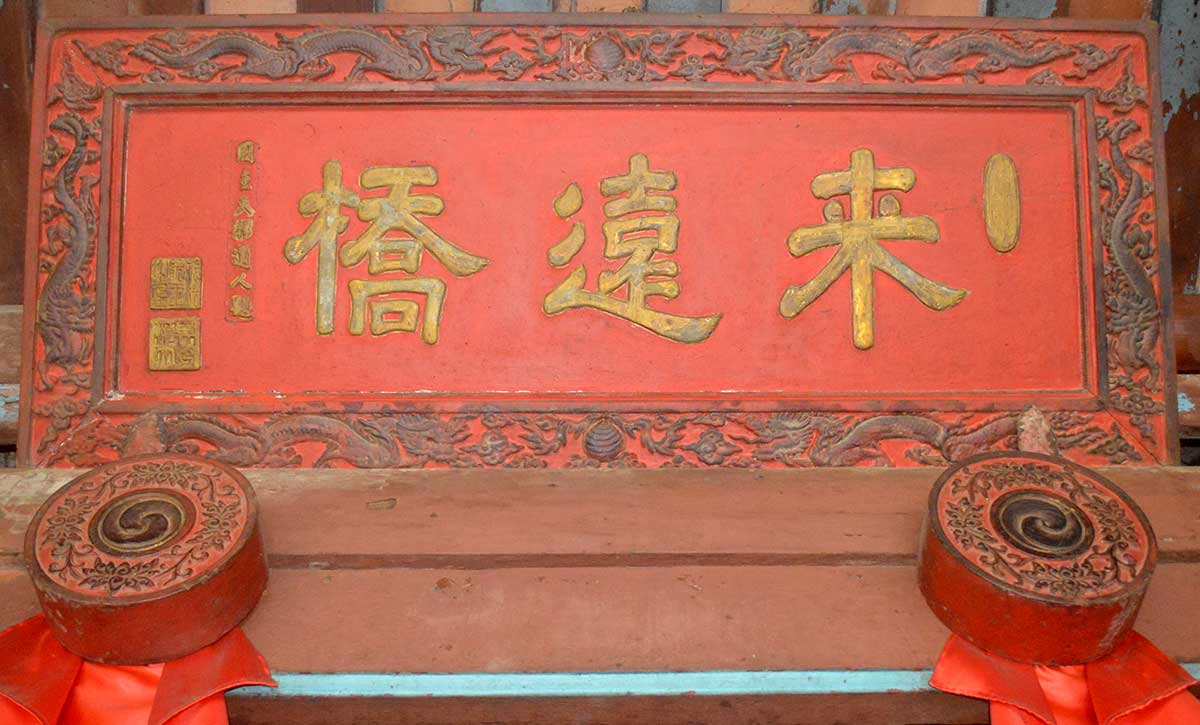
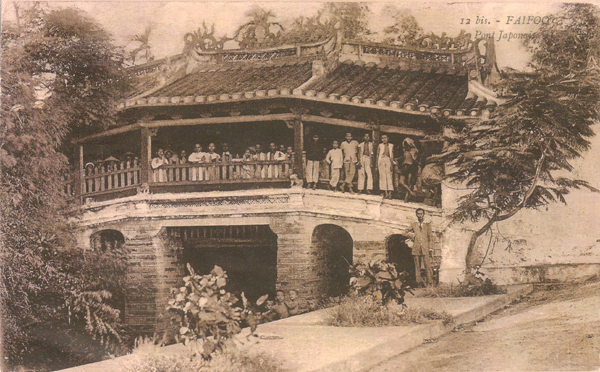
Although the exact time of the beginning and the end of the construction process, until nowadays, still remain hidden, at present, Cau Pagoda has become an architectural symbol of Hoi An cultural heritage and an evidence of a period of prosperous development of Hoi An commercial port town as well as such as the relationship and cultural exchange between Vietnam, Japan, China and Western countries in Hoi An many centuries ago... Cau Pagoda is also known as the Japanese Covered Bridge, the name at the monument is Lai Vien Kieu (Lai Vien Bridge, it means the bridge of friends from afar).